IVR and Telephony podcast appearance
Recording telephone greetings and answerphone system messages is bread and butter work for some VOs. Large companies with big, complex phone systems frequently need voiceover artists to record the menu options and keep callers on the line while they are on hold – letting them know how long they are likely to wait and offering other options e.g. a call back or an out of hours number. Take a listen to my telephony demo for some examples!
Small businesses also use professional voice artists for their phone systems – this may be because they want a voice that isn’t obviously them on their phone system, which gives an illusion of a bigger set up. Or they may simply not have the technical skill or confidence to record a message for themselves. Using a pro gives out a professional image to the company – who wants to sound like they used Jean on reception just to save money on a trained voice?
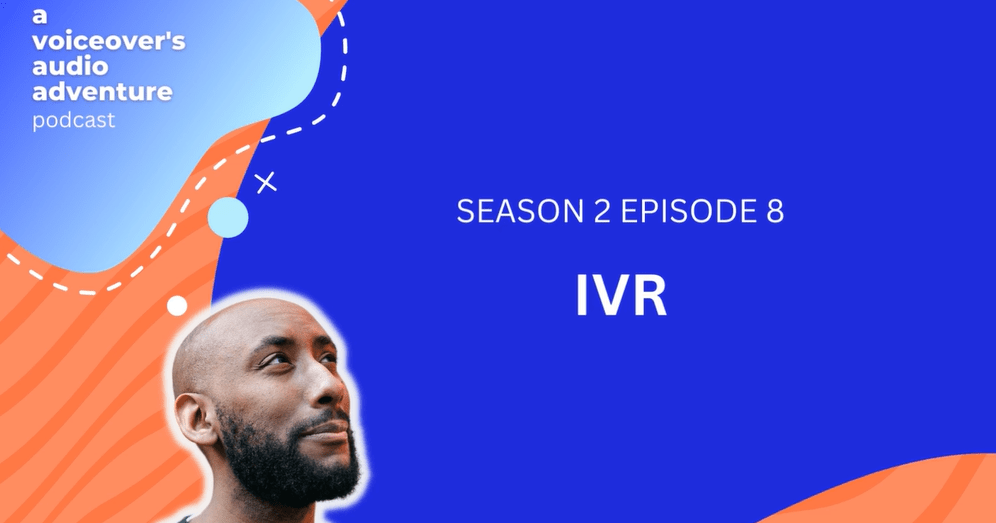
In Jo Troy’s latest podcast episode, (season 2 episode 8) listen to me and fellow VO and coach Nic Redman discuss the ins and outs of telephone and IVR work.
Is telephony work at risk from AI?
Maybe – certainly at the entry level. Development of AI means those artists without much coaching who are providing basic telephone messaging may have a hard time distinguishing themselves from AI. Lower quality audio has a slightly over-processed (and thus less human) sound than broadcast quality audio. Clients are unlikely to see much benefit of hiring someone if they sound similar to an AI voice. More proficient voice actors will give a more human delivery, reassuring callers that they really are important – which will hopefully result in less hang ups than hearing the same words come from an annoying AI voice.
Why can’t we just get Jean from reception to record it?
You could – but people who aren’t trained to deliver copy tend to lose their human-ness when you put a script in front of them. They lose all the natural warmth and flow to the voice, and most have a tendency to over-enunciate. Phrases like “sorry to keep you waiting” and “your call is important to us” can sound insincere when delivered by someone who isn’t a trained performer. Poor mic technique (or cheap equipment) also means the voice may sound thin and distant – leading to the need to amplify the file for it to be useable. This means breaths and background noises sneak into the recording, and heavy processing is then needed to clean up the file, which again makes the overall result sound less natural.
Get in touch if you want to see how a professional voice greeting could benefit your business
 British Female Voiceover Artist