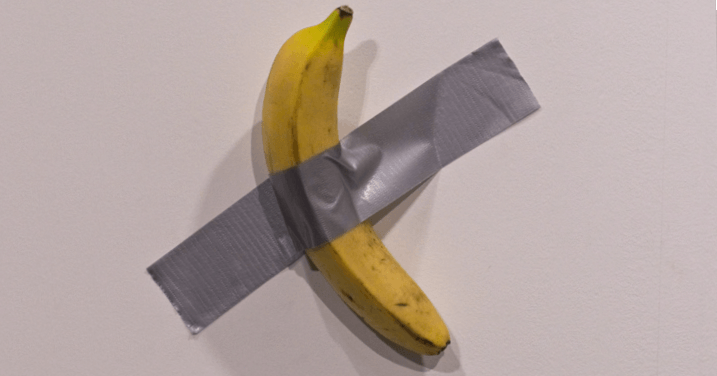
Occasionally partial to a bit of DIY, I was in Screwfix last weekend looking for tape to finish fitting up a kitchen extractor fan. I couldn’t remember the name of the tape: ‘Gaffer tape, you know, the stuff the baddies use to tape hostages to plastic chairs in the movies. It’s for the extractor fan ducting….’ Ducting. Of course. DUCT tape. The clue is in the name.
Once I knew what I needed I then had to decide between the generic version and the branded version, which is £2 more expensive and called DUCK tape.
Wait. Duck tape? For bonding ducks together?
It got me thinking about how we pronounce phrases where the last letter of one word is the same as the first letter of the next.
So, fellow voice over artists – how would you voice “duct tape” on a recording? There are really only two options:
Option1 – proudly enunciate both T’s to completely separate the words: “DucT-Tape” or
Option 2 – roll the words together: “Ductape”. Which coincidentally sounds exactly like ‘DUCK tape’.
The brand were one step ahead with that name, as every handyman across the land was already pronouncing it that way.
While I’m on the subject of DIY and pronunciations, I can’t go without a mention of Rawl plugs – the coloured plastic thingies that go into a wall before you screw up a shelf. Invented by John Joseph Rawlings (over a hundred years ago, fact fans!) A lot of people call them “wall plugs”, which makes sense as they are mostly used in walls. ‘Wall’ also sounds a lot like ‘Rawl’ – which could be why Mr Rawlings decided to use his surname for the brand. Well now, in my dad’s London accent it had always sounded like Raw Plugs to me, so for 15 years that’s what I called them. Until one day when I typed it into a Google search which sarcastically replied; “Did you mean: Rawl plugs?”
Final thought
Thinking about all of this I started to feel grateful that I don’t narrate for a client who produces generic duct tape. Over-pronounce both T’s and you risk sounding like Hyacinth Bucket, but roll the words together and suddenly you are referring to their biggest competitor: Duck Tape. And I don’t think the client would be too happy with that! Option 3 would be trying to soften the T by just the right amount every time the phrase came up, or you may prefer Option 4 – spending far too long editing microseconds of gap between the two words.
As I say, I feel lucky a duct tape explainer hasn’t yet come my way!
To hear how I tackle tricky words and phrases in your script, get in touch for a free audition here!
Photo by Ussama Azam on Unsplash
 British Female Voiceover Artist